Clear communication where scrutiny is highest
Planning-stage projects are reviewed by a wide range of stakeholders: planners, consultants, committees, clients, and local audiences many of whom are not trained to read technical drawings.
At this stage, misunderstanding is common.
Design intent can be lost, scale misread, and context misinterpreted, leading to hesitation, objections, or delays.
Why visual clarity matters in planning
Clear, accurate visual material helps bridge the gap between technical documentation and public understanding.
We produce visualisation that is used to:
explain design intent without oversimplification
communicate scale, massing, and context clearly
support discussion with planners and stakeholders
reduce reliance on verbal explanation
The objective is not persuasion, but comprehension.
Typical visual approaches used
Planning and stakeholder communication commonly uses a combination of:
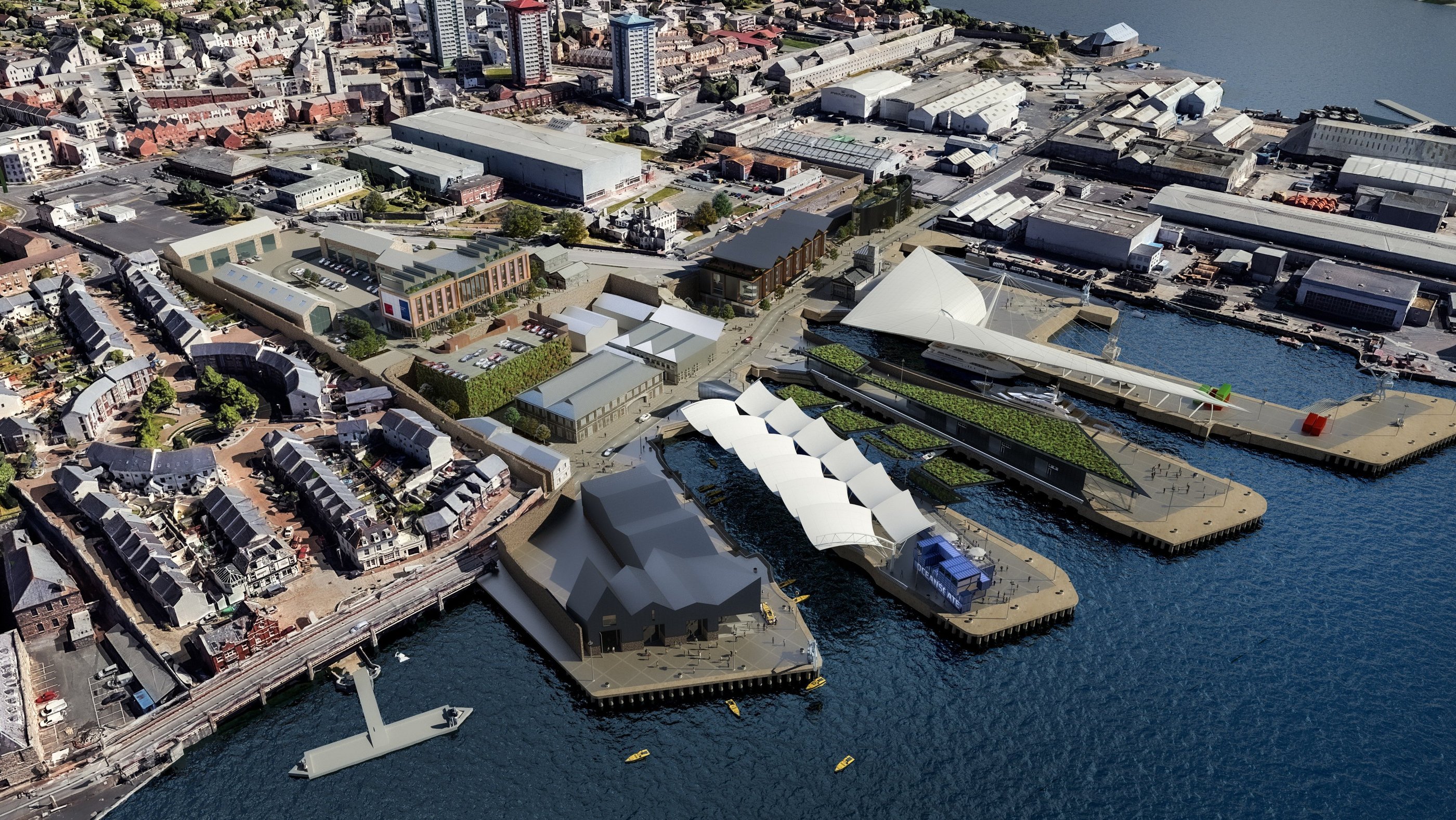
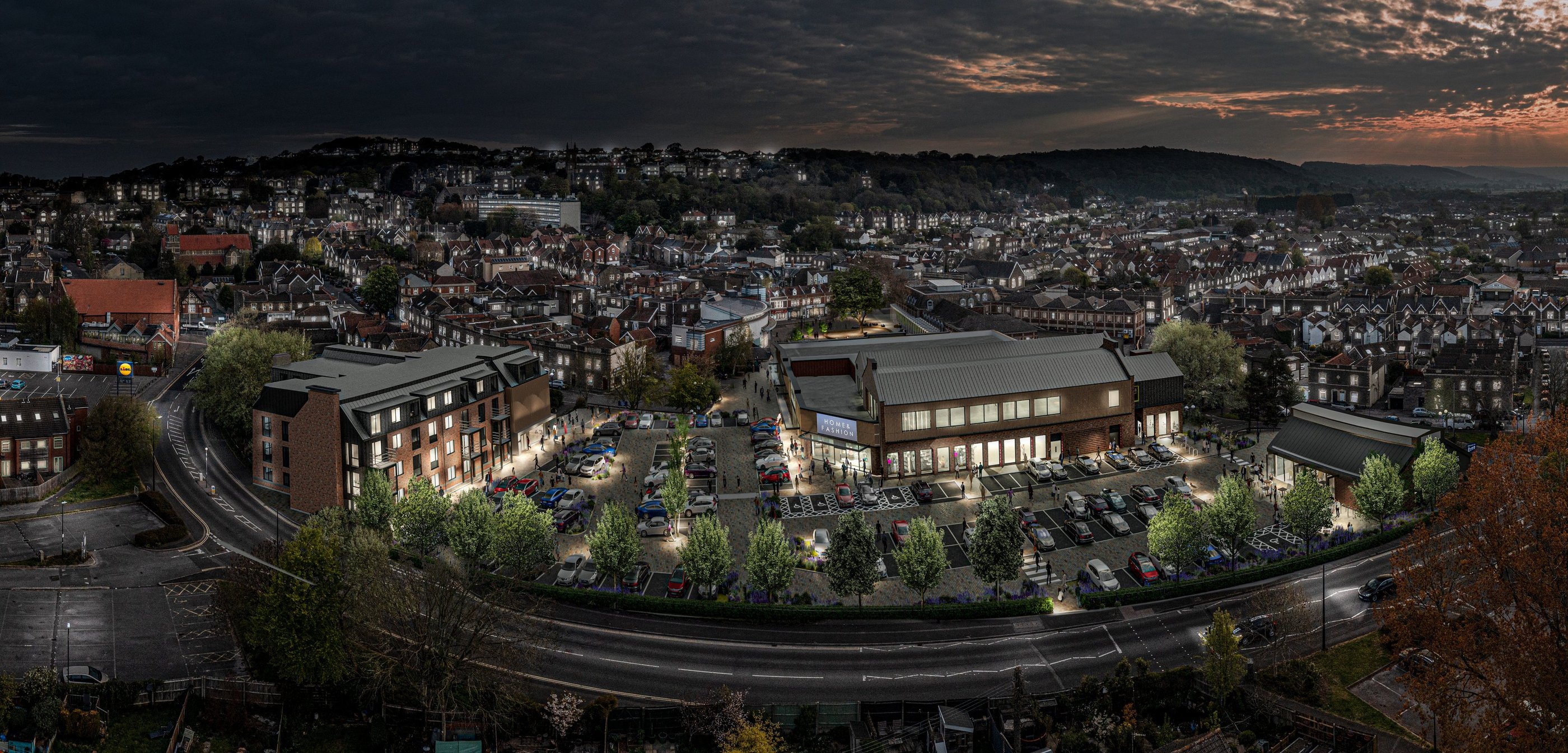
CGI stills to illustrate massing, context, and key viewpoints
Animation where movement, sequence, or site relationships benefit understanding
Interactive visualisation or Virtual Tours for larger or more complex schemes, allowing users to explore context and layout using real time graphics, VR and AR solutions.
Each approach is selected based on what best supports clarity at that stage.
Supporting technical planning documentation
Where required, our visual material is prepared to support formal planning documentation, including LVIA, verified views, and photomontage studies, working in coordination with planning consultants and landscape architects.
Visuals are produced to agreed viewpoints, camera parameters, and reference photography, ensuring consistency with established assessment methodologies and consultant-led workflows.
Our role is to provide accurate, reliable visual material that integrates cleanly into the wider planning submission.
Interactive visualisation in planning contexts
Interactive visualisation can be particularly effective where:
sites are complex or constrained
context and surrounding relationships are critical
multiple options or phases need to be understood
By allowing stakeholders to explore and experience a scheme in three dimensions, with rich graphical UI elements providing context and data in real time, interactive visualisation experiences can drastically reduce ambiguity and support more informed discussions.
Our focus
Across all planning-stage work, our priority is to produce visual material that is accurate, restrained, and credible.
Clear understanding supports better dialogue, and better dialogue supports progress.
Planning Communication